Exploring the Wonders of Biodiversity: A Dive into Nature's Diversity
Welcome to a journey into the enchanting realm of biodiversity, where nature's wonders and diverse ecosystems await exploration. In this insightful blog post, we delve deep into the significance of biodiversity conservation, shedding light on why preserving the variety of life forms on our planet is crucial for the well-being of both ecosystems and humanity. As we uncover the richness of different habitats and their inhabitants, you will gain a new appreciation for the interconnectedness of all living things and the beauty that arises from this intricate web of life. Prepare to navigate through the challenges faced by biodiversity today as we examine the threats looming over various species and habitats. By understanding these obstacles, we can uncover effective strategies to combat them and work towards a more sustainable future. Alongside exploring endangered species and the conservation efforts aimed at their protection, we will also embark on a global journey to biodiversity hotspots, celebrating the unique and irreplaceable treasures found in these ecologically significant regions. Join us on this voyage of discovery as we celebrate the vibrancy and resilience of nature's diverse tapestry

The Importance of Biodiversity Conservation
Biodiversity is the cornerstone of life on Earth, encompassing the variety of living organisms that exist in different ecosystems. It plays a vital role in maintaining the delicate balance of nature and is crucial for the overall health and stability of our planet. The importance of biodiversity conservation cannot be overstated, as it directly impacts human well-being in numerous ways. First and foremost, biodiversity is essential for ecosystem resilience. A diverse range of species within an ecosystem provides natural buffers against environmental changes and disasters. For instance, diverse plant species can help stabilize soil and prevent erosion, while a variety of animal species can ensure pollination, seed dispersal, and pest control. By conserving biodiversity, we are essentially safeguarding the ecosystem services that support all life on Earth. Moreover, biodiversity contributes significantly to human health and well-being. Many pharmaceuticals are derived from plants, animals, and microorganisms found in nature. By preserving biodiversity, we are preserving potential sources of future medicines and treatments for a wide range of diseases. Additionally, diverse ecosystems offer recreational and aesthetic benefits, contributing to mental and emotional well-being. Furthermore, biodiversity plays a crucial role in food security and agriculture. A diverse gene pool within plant and animal species is essential for developing resilient crops and livestock that can adapt to changing environmental conditions and resist pests and diseases. Conserving biodiversity in agricultural systems is key to ensuring sustainable food production for a growing global population. In conclusion, biodiversity conservation is not just an environmental issue – it is a matter of human survival. By recognizing the importance of biodiversity and taking action to preserve and protect it, we can secure a sustainable future for generations to come. It is crucial that we all play our part in promoting biodiversity conservation through sustainable practices and policies, ensuring a harmonious coexistence with nature and reaping the numerous benefits that a biodiverse planet has to offer
Unveiling the Richness of Ecosystems
Biodiversity is nature's ultimate masterpiece, showcasing the intricate web of life that thrives within ecosystems across the globe. From the lush rainforests to the vast oceans, biodiversity encompasses the variety of living organisms that coexist in harmony, shaping the world as we know it. At the core of biodiversity are ecosystems – dynamic environments where plants, animals, and microorganisms interact and depend on each other for survival. These ecosystems come in a myriad of forms, each with its own unique assemblage of species and habitats. One of the most fascinating aspects of biodiversity is the sheer richness it brings to ecosystems. The diverse array of species within an ecosystem contributes to its resilience and stability, making it more adaptive to environmental changes. Each organism, no matter how big or small, plays a vital role in maintaining the balance of nature. Moreover, biodiversity not only adds beauty to our planet but also provides essential services that support life. Ecosystems rich in biodiversity offer valuable resources such as clean air, fresh water, fertile soil, and food. They also play a crucial role in regulating the climate, controlling pests, and pollinating crops. When we delve into the wonders of biodiversity and explore the richness of ecosystems, we begin to appreciate the interconnectedness of all living beings. Every species, from the tiniest insect to the largest tree, has a part to play in the intricate tapestry of life. By acknowledging and preserving the diversity of life on Earth, we can ensure a sustainable future for generations to come
Threats to Biodiversity and How to Combat Them
Biodiversity, the variety of life on Earth, is crucial for maintaining the balance of ecosystems and supporting life as we know it. However, this intricate web of different species and habitats is facing numerous threats that jeopardize its existence. Understanding these threats is the first step towards taking effective action to combat them and preserve biodiversity for future generations. One major threat to biodiversity is habitat destruction, mainly driven by human activities such as deforestation, urban development, and pollution. When natural habitats are destroyed or altered, countless species lose their homes and food sources, leading to population declines and even extinction. Combatting habitat destruction requires conservation efforts such as protected areas, sustainable land use practices, and reforestation projects to restore degraded habitats. Climate change is another significant threat to biodiversity, causing shifts in temperature, rainfall patterns, and sea levels that disrupt ecosystems and force species to adapt or migrate to survive. Rising global temperatures are leading to the loss of critical habitats like coral reefs and polar ice caps, putting immense pressure on species that rely on these environments. Addressing climate change through reducing greenhouse gas emissions, promoting renewable energy sources, and improving energy efficiency is essential to safeguard biodiversity. Invasive species pose a serious threat to native flora and fauna by outcompeting them for resources, preying on them, or introducing diseases to which they have no natural defenses. These invasive species can disrupt entire ecosystems and drive native species to extinction. Controlling invasive species through early detection, rapid response programs, and ecosystem restoration can help mitigate their impacts and protect biodiversity. Pollution, whether it be air, water, or soil pollution, poses a threat to biodiversity by contaminating habitats, harming species' health, and altering ecosystems. From plastic waste in oceans to pesticide runoff in freshwater ecosystems, pollutants have far-reaching consequences on the interconnected web of life. Taking steps to reduce pollution through sustainable waste management, stricter environmental regulations, and eco-friendly practices can help minimize its impact on biodiversity. Overexploitation of natural resources, such as overfishing, poaching, and logging, threatens biodiversity by depleting populations of valuable species beyond their ability to recover. Unsustainable harvesting practices can lead to the collapse of fisheries, the extinction of iconic species, and the degradation of forests. Implementing sustainable resource management practices, enforcing regulations against illegal wildlife trade, and promoting community-based conservation initiatives are crucial in combating overexploitation and preserving biodiversity. By addressing these threats and taking proactive measures to protect biodiversity, we can ensure a harmonious coexistence with nature and safeguard the wonders of the natural world for generations to come. It is up to each of us to play our part in preserving biodiversity and promoting a sustainable future for all living beings on Earth
Spotlight on Endangered Species and Preservation Efforts
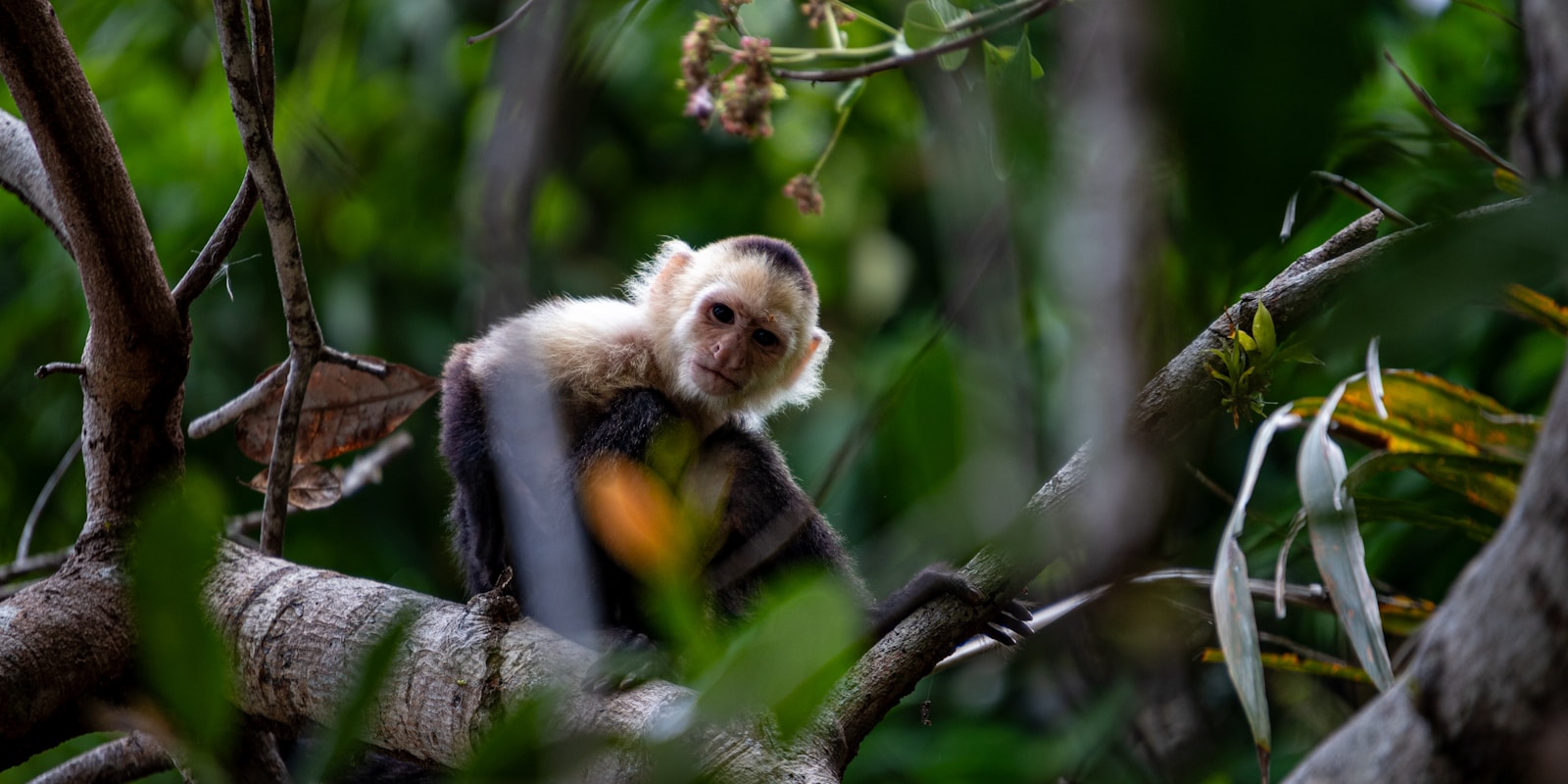
Biodiversity is the cornerstone of life on Earth, encompassing the incredible variety of living organisms that populate our planet. At the core of this intricate web of life are endangered species, whose dwindling populations serve as a stark reminder of the urgent need for preservation efforts. These unique creatures play vital roles in maintaining the delicate balance of ecosystems and are often the most vulnerable to the threats posed by human activities, habitat destruction, and climate change. Endangered species represent a critical component of biodiversity, serving as indicators of the overall health of an ecosystem. Their decline can trigger a ripple effect that disrupts entire food chains and leads to cascading consequences for other species. By shining a spotlight on these imperiled creatures, we not only raise awareness of their plight but also underscore the importance of conservation initiatives aimed at safeguarding their habitats and ensuring their survival for future generations. Preservation efforts play a pivotal role in protecting endangered species and promoting biodiversity conservation. Through habitat restoration, captive breeding programs, anti-poaching measures, and public education campaigns, organizations and individuals are working tirelessly to mitigate the threats facing these vulnerable creatures. By supporting these initiatives, we can contribute to the preservation of biodiversity and help prevent the irreversible loss of species that enrich our world with their beauty and uniqueness. As we delve deeper into the wonders of biodiversity, it becomes evident that our actions today will shape the diversity of life on Earth for years to come. By recognizing the importance of endangered species and the vital role of preservation efforts, we can embrace our responsibility as stewards of the planet and take meaningful steps towards a future where nature's diversity thrives. Together, we can make a difference in the preservation of endangered species and contribute to the rich tapestry of life that makes our world truly remarkable
Celebrating Nature's Diversity: Biodiversity Hotspots around the Globe
Biodiversity, the variety of life forms on Earth, is truly a marvel to behold. It encompasses the incredible assortment of species, ecosystems, and genetic variations that make up our planet's natural world. When we delve into biodiversity hotspots around the globe, we unveil some of the most diverse and unique regions that are teeming with life. From the lush rainforests of the Amazon to the vibrant coral reefs of the Great Barrier Reef, biodiversity hotspots are scattered across the planet, each harboring a wealth of flora and fauna. These areas are not only home to a vast array of species, but they also play a crucial role in maintaining ecological balance and stability. The intricate web of relationships between different organisms within these hotspots highlights the interconnectedness of all life forms and underscores the importance of preserving these delicate ecosystems. Exploring biodiversity hotspots offers us a glimpse into the incredible adaptations and evolutionary marvels that have allowed species to thrive in diverse environments. It also serves as a stark reminder of the fragility of these ecosystems in the face of human-induced threats such as deforestation, pollution, and climate change. By celebrating nature's diversity and shedding light on these biodiversity hotspots, we can raise awareness about the urgent need to protect and preserve these invaluable treasures for future generations to appreciate and enjoy
Conclusion
In conclusion, our exploration into the wonders of biodiversity has revealed the essential role this intricate web of life plays in sustaining ecosystems and benefiting humanity. Through understanding the significance of biodiversity conservation, we've come to appreciate the interconnectedness of all living beings and recognize the urgent need to protect the variety of life forms on our planet. We've navigated through the challenges threatening biodiversity today, shedding light on the importance of preserving endangered species and habitats. By highlighting the conservation efforts in place and exploring biodiversity hotspots worldwide, we've celebrated the unique treasures found in these ecologically significant regions. Ultimately, our journey into nature's diversity has underscored the importance of collective action in safeguarding biodiversity for a sustainable future. Let us continue to appreciate, protect, and nurture the vibrancy and resilience of our planet's diverse tapestry, ensuring a harmonious coexistence with the myriad forms of life that call Earth their home